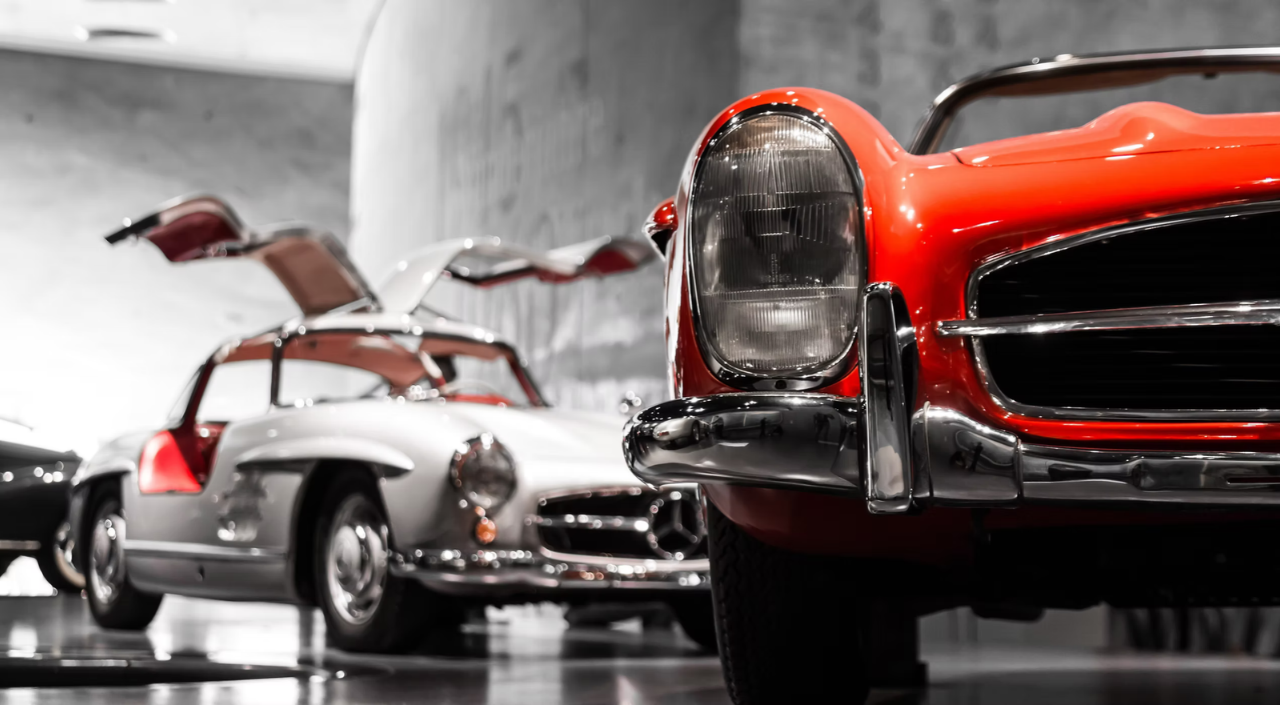
For some enthusiasts, buying a classic car is about reconnecting with automotive history. For others, it is the opportunity to own a vehicle they have admired for decades or add something special to an established collection.
Whatever your motivation, purchasing a classic automobile requires more consideration than buying an ordinary used vehicle. Understanding a car's history, condition, originality, and documentation can help you make a more informed decision.
If you are considering buying a classic car, here are the most important things to know before making your purchase.
1. Determine What Kind of Classic Car You Want
Before browsing listings, think about what you want from your future vehicle.
Classic cars come in many categories, and each offers a different ownership experience.
American Muscle Cars
Muscle cars are known for their powerful engines, bold styling, and performance-focused heritage. Models from manufacturers such as Chevrolet, Ford, Dodge, and Pontiac continue to attract collectors.
Examples include the Ford Mustang, Chevrolet Camaro, Pontiac Firebird, and Dodge Charger.
Classic Luxury Cars
Classic luxury automobiles emphasize craftsmanship, comfort, engineering, and distinctive styling.
Brands such as Bentley, Rolls-Royce, Cadillac, and Mercedes-Benz have produced vehicles that remain recognizable for their elegance and attention to detail.
Vintage and Prewar Automobiles
Vehicles manufactured before World War II offer a different perspective on automotive history. Their designs, mechanical systems, and craftsmanship reflect an important period of automotive development.
Exotic and Specialty Cars
Some collectors prefer unusual vehicles, limited-production models, and automobiles with distinctive engineering or design.
Knowing which category interests you most will help narrow your search and establish realistic expectations.
2. Establish a Realistic Budget
The purchase price is only one part of owning a classic car.
Before committing to a vehicle, consider the additional costs associated with ownership.
These may include:
- Insurance coverage appropriate for collector vehicles.
- Registration, taxes, and applicable documentation.
- Routine maintenance and mechanical repairs.
- Replacement parts and specialized components.
- Secure indoor storage.
- Transportation or enclosed shipping.
- Restoration or preservation work when needed.
A vehicle that appears affordable initially may require additional investment to address mechanical or cosmetic issues.
Consider your intended use as well. A classic car purchased for occasional weekend drives may have different ownership requirements from a vehicle intended primarily for display or collection.
Establishing a budget before shopping helps you focus on vehicles that make sense for your financial situation.
3. Research the Vehicle's History
A classic car's history can significantly influence its desirability and value.
Before purchasing, request as much information as possible about the vehicle's previous ownership, maintenance, restoration, and modifications.
Important questions include:
- How many previous owners has the vehicle had?
- Has it been involved in any reported accidents?
- Has the vehicle undergone restoration?
- Are maintenance and repair records available?
- Has the engine or transmission been replaced?
- Are original components still present?
- Are there photographs documenting previous restoration work?
Documentation can help establish the vehicle's background and provide insight into how it has been maintained.
For older automobiles, traditional modern VIN history reports may not contain complete information. Depending on the vehicle's age and manufacturer, factory records, ownership documents, and marque-specific resources may be more useful.
The more you understand about a vehicle's history, the better prepared you will be to evaluate its condition and authenticity.
4. Inspect the Vehicle's Overall Condition
A classic car can look beautiful in photographs while hiding problems underneath.
Never base a purchasing decision entirely on exterior appearance.
Pay attention to these important areas:
Exterior and Paint
Look for inconsistent paint colors, bubbling, scratches, dents, overspray, and signs of previous body repairs.
Uneven panel gaps may also indicate previous collision damage or poorly completed restoration work.
Rust and Structural Condition
Rust deserves particular attention when evaluating older vehicles.
Inspect the frame, floor pans, trunk, rocker panels, wheel wells, and lower body sections. Structural rust can require extensive repairs.
Engine and Mechanical Components
Ask about the engine's condition, maintenance history, leaks, unusual noises, and previous repairs.
Check the cooling system, transmission, brakes, suspension, and electrical components.
Interior
Examine the seats, dashboard, carpeting, headliner, gauges, controls, and other interior components.
Replacement upholstery and restored dashboards are not necessarily problems, but they should be understood when evaluating originality.
Tires and Undercarriage
Check tire condition, age, suspension components, exhaust systems, and signs of previous repairs.
Whenever possible, arrange an independent pre-purchase inspection by a mechanic familiar with classic automobiles.
5. Understand Originality and Restoration Quality
One of the most important considerations when buying a collectible automobile is understanding how closely the vehicle reflects its original factory specifications.
Some collectors prioritize originality, while others appreciate professionally restored vehicles or thoughtfully modified classics.
Common classifications include:
- Original — Retains significant factory-installed components and features.
- Restored — Has undergone work to return it to a previous condition.
- Restomod — Combines classic styling with modern mechanical components or technology.
- Modified — Has been changed from its original factory configuration.
A restoration is not automatically better or worse than an original vehicle. Its quality, documentation, and compatibility with the buyer's expectations matter.
If a vehicle is advertised as numbers-matching, ask for supporting documentation and have the relevant identification numbers verified by someone familiar with that particular make and model.
Understanding these differences helps prevent misunderstandings and allows you to compare vehicles more accurately.
6. Evaluate the Vehicle's Market Value
Classic car prices can vary significantly depending on several factors.
These include:
- Make, model, and production year.
- Rarity and production numbers.
- Originality and authenticity.
- Mechanical and cosmetic condition.
- Restoration quality.
- Documentation and ownership history.
- Current collector interest.
- Comparable recent sales.
Research comparable vehicles rather than relying on a single advertised price.
Look at vehicles with similar specifications, condition, originality, and restoration history.
Remember that asking prices are not necessarily the same as completed sale prices.
It is also important to separate personal enjoyment from financial expectations. Classic automobile values can fluctuate, and appreciation is never guaranteed.
7. Consider Where You Purchase Your Classic Car
Classic cars can be purchased through private sellers, auctions, online marketplaces, and specialized dealerships.
Each option has its own advantages and considerations.
Working with a classic car dealership can provide access to curated inventory and assistance throughout the purchasing process.
For buyers searching for a specific model or configuration, an automotive locator service can also help identify vehicles that may not appear in a dealership's current inventory.
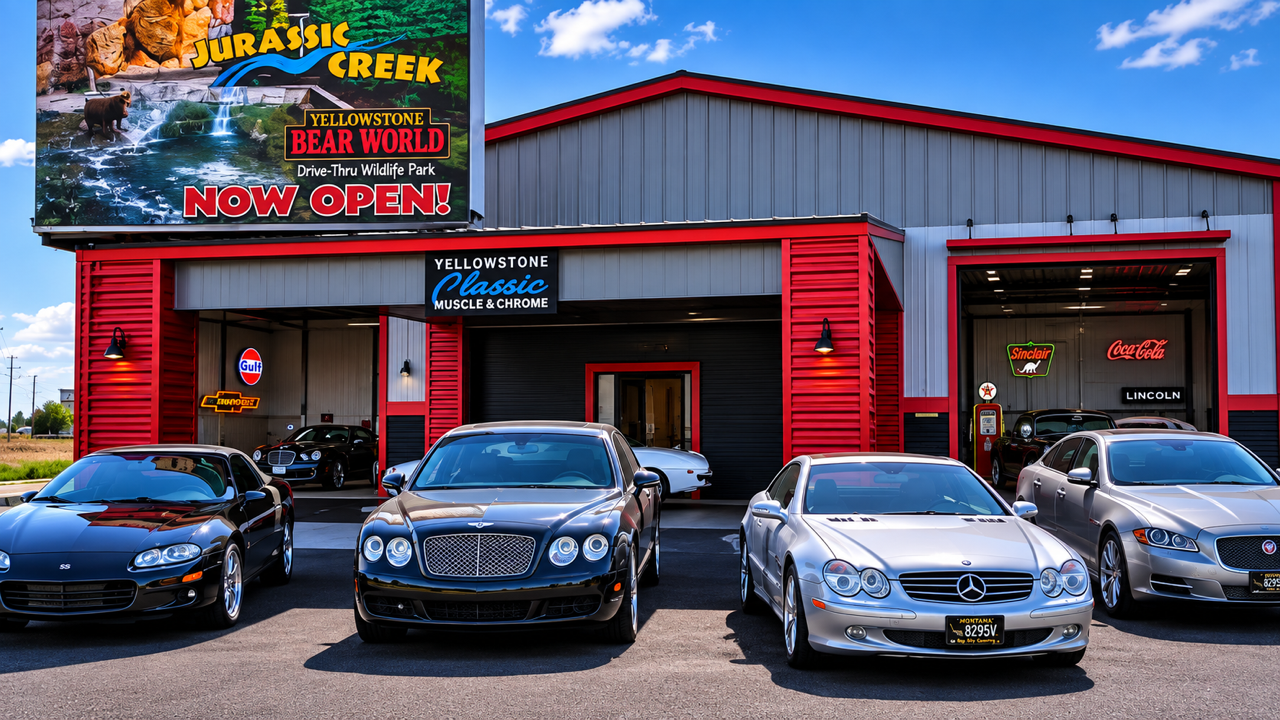
At Yellowstone Classic Muscles & Chrome in Rexburg, Idaho, collectors can explore a selection of classic cars, vintage muscle vehicles, and exotic luxury automobiles.
The dealership also offers an Auto Locator Service for buyers searching for a particular vehicle.
8. Plan for Transportation and Long-Term Ownership
Finding the right vehicle is only part of the process, especially if you are purchasing from another state.
Before finalizing the purchase, discuss transportation arrangements, insurance, registration requirements, and delivery expectations.
Enclosed vehicle shipping is worth considering for valuable, rare, or particularly well-preserved automobiles because it provides protection from weather and road debris during transportation.
Once your vehicle arrives, establish a maintenance schedule and appropriate storage arrangements.
Proper care can help preserve its condition and make ownership more enjoyable over time.

Final Thoughts: Find a Classic Car Worth Owning
Buying a classic car should be an exciting experience, but it should also be an informed decision.
Take the time to research the vehicle, evaluate its condition, verify its documentation, and understand what ownership will involve.
The right automobile is not necessarily the rarest or most expensive one. It is the vehicle that matches your interests, expectations, and ownership goals.
Looking for your next classic car?
Explore the collection at Yellowstone Classic Muscles & Chrome in Rexburg, Idaho. Whether you are searching for an American muscle car, a vintage luxury automobile, or something truly distinctive, our team can help you explore available vehicles and locate your dream car.
Visit yellowstoneclassiccars.com to browse our collection or learn more about our Auto Locator Service.
1200 words • Reading time ~9 minutes