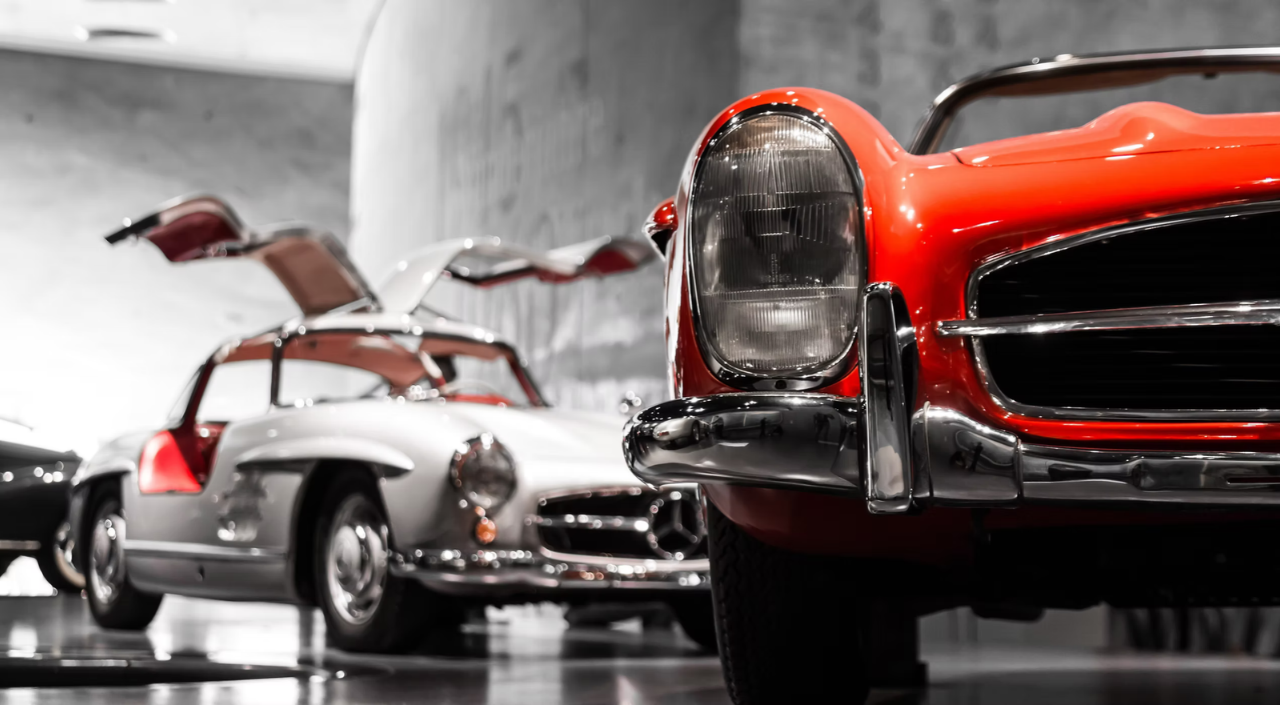
Classic automobiles have a unique ability to connect people with automotive history.
Some collectors are drawn to American muscle cars because of their powerful engines and unmistakable styling. Others appreciate the elegance of vintage luxury vehicles or the craftsmanship of automobiles produced decades ago.
Regardless of personal preference, classic cars continue to hold an important place in automotive culture.
But what makes these vehicles such meaningful additions to a collection?
Here are several reasons collectors continue to appreciate classic automobiles.
1. Every Classic Car Represents a Piece of Automotive History
Automotive design and engineering have changed dramatically over the decades.
Classic vehicles allow collectors and enthusiasts to experience how manufacturers approached transportation, performance, comfort, and design during different periods.
Consider the differences between:
- Prewar automobiles with distinctive bodywork and mechanical engineering.
- Postwar American cruisers with expansive styling and chrome details.
- 1960s muscle cars built around performance and powerful engines.
- European luxury vehicles known for craftsmanship and refinement.
- Early sports cars that helped establish modern performance traditions.
Each vehicle tells a different story.
Collecting classic cars offers an opportunity to preserve these stories and keep important examples of automotive history accessible to future generations.
2. Timeless Design and Distinctive Craftsmanship
One of the biggest attractions of classic automobiles is their design.
Older vehicles often feature styling details that are less common in modern transportation.
Examples include:
- Elaborate chrome trim.
- Distinctive body proportions.
- Sculpted fenders.
- Unique grille designs.
- Detailed dashboards.
- Vintage instrumentation.
- Hand-finished interior elements.
Many collectors appreciate these features because they represent different approaches to automotive design.
A prewar convertible may demonstrate elegant proportions and intricate details, while a vintage muscle car may communicate performance through bold lines and aggressive styling.
These differences make classic vehicles interesting to display, study, and collect.
3. A Collection Can Reflect Your Personal Interests
There is no single formula for building a meaningful classic car collection.
Some collectors focus on one manufacturer or a specific decade.
Others prefer to explore several automotive categories.
For example, a collection might include:
American Muscle Cars
Vehicles such as the Pontiac Firebird, Ford Mustang, and Chevrolet Camaro represent an important chapter in American performance history.
Vintage Luxury Automobiles
Bentley, Rolls-Royce, Cadillac, and Mercedes-Benz models can showcase distinctive engineering and design philosophies.
Prewar Classics
Older automobiles offer a glimpse into the early development of the automotive industry.
Sports and Exotic Cars
These vehicles often attract collectors interested in unusual engineering, performance, and limited-production designs.
A thoughtfully assembled collection can tell a story about the owner's interests and appreciation for automotive history.
4. Classic Cars Create Opportunities to Connect With Other Enthusiasts
Classic car collecting is also a social experience.
Automotive enthusiasts often enjoy discussing restoration projects, comparing vehicles, sharing historical information, and attending events.
Car shows, collector gatherings, museum visits, and automotive exhibitions create opportunities to connect with people who share similar interests.
These experiences can introduce collectors to different manufacturers, rare models, restoration techniques, and automotive stories.
For many enthusiasts, the relationships and experiences surrounding the hobby are just as meaningful as the vehicles themselves.
5. Preservation Keeps Automotive Heritage Alive
Maintaining a classic automobile requires attention and care.
Unlike modern vehicles, older automobiles may require specialized components, experienced technicians, and model-specific maintenance knowledge.
Preservation can involve:
- Maintaining original mechanical components.
- Protecting paint and chrome finishes.
- Addressing corrosion before it spreads.
- Preserving original interior materials.
- Documenting restoration work.
- Storing vehicles in appropriate environments.
Some owners choose restoration to return a vehicle to a previous condition.
Others prefer preservation, maintaining as much original material as possible.
Both approaches can contribute to keeping automotive history alive.
The right approach depends on the vehicle's condition, originality, intended use, and the owner's goals.
6. Classic Cars Offer an Educational Experience
Collectible automobiles can also serve as valuable educational resources.
Looking at a vehicle from a particular period provides insight into the engineering, manufacturing techniques, materials, and cultural influences of that time.
Visitors can learn about:
- The evolution of engine technology.
- Changes in vehicle safety and engineering.
- The development of automotive design.
- Manufacturing innovations.
- The history of major automobile manufacturers.
- The influence of racing and performance culture.
Museums play an important role in making these experiences accessible.
They allow visitors to explore vehicles, examine historical details, and develop a deeper appreciation for automotive heritage.
7. Collecting Can Be About Personal Memories and Milestones
Some classic cars have sentimental significance.
A particular model may remind someone of their first car, a family member, a memorable road trip, or a vehicle they admired growing up.
For others, purchasing a dream car represents the achievement of a long-term personal goal.
These connections help explain why classic automobiles can be so meaningful to their owners.
A collector might spend years searching for a specific model because it represents something important to them.
That emotional connection is often a major part of the ownership experience.
8. A Classic Car Collection Can Become a Legacy
Well-maintained vehicles can become part of a family's shared history.
Owners may pass down their appreciation for automobiles through stories, photographs, restoration projects, and shared experiences.
Younger generations can learn about the engineering, design, and history behind vehicles that were produced long before they were born.
Preserving a classic automobile is one way to help ensure that these pieces of automotive heritage continue to be appreciated.
It is not just about maintaining a vehicle. It is about keeping its story alive.

Discover Automotive Heritage at Yellowstone Classic Muscles & Chrome
At Yellowstone Classic Muscles & Chrome in Rexburg, Idaho, automotive history is an important part of the experience.
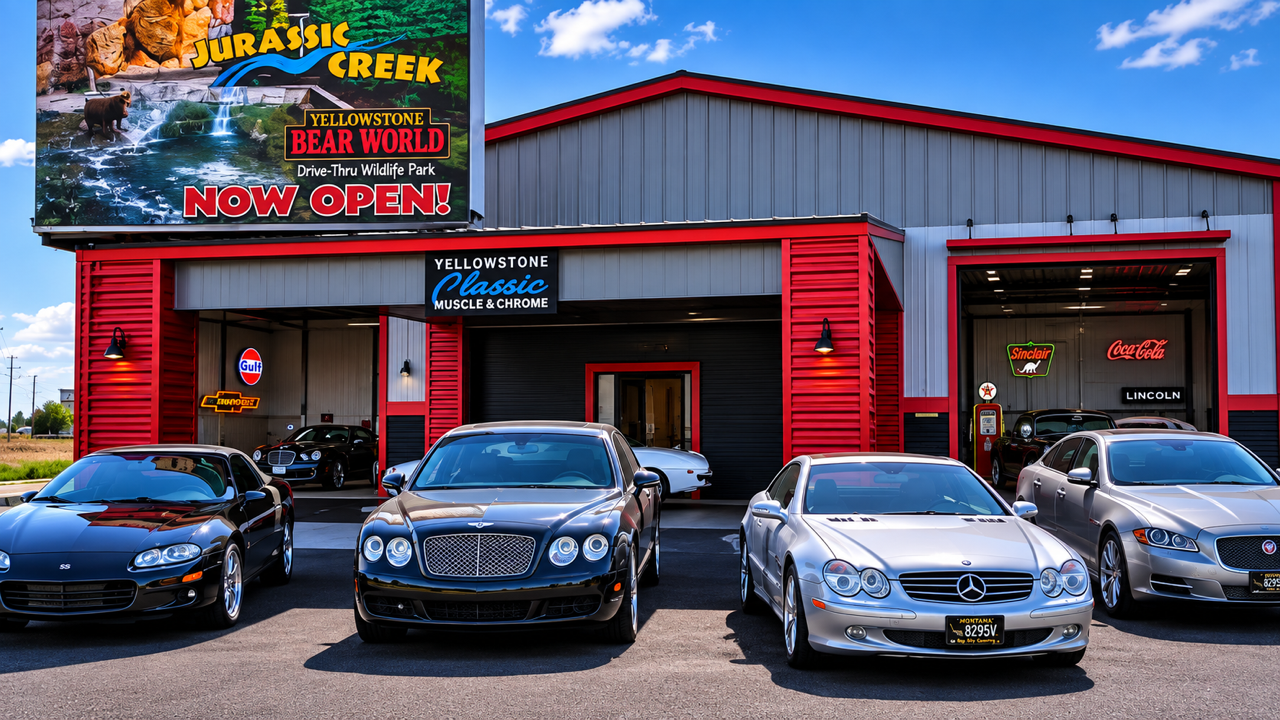
The museum and showroom bring together classic cars, vintage muscle vehicles, exotic automobiles, and automotive memorabilia.
Visitors can explore more than just the vehicles themselves.
The museum also features vintage gas pumps, neon signage, interactive exhibits, guided tours, and opportunities to learn about the history and design behind collectible automobiles.
For collectors searching for their next vehicle, Yellowstone also offers a curated inventory and an Auto Locator Service.
Whether you are an experienced collector or simply appreciate the beauty of classic automobiles, exploring these vehicles can offer a deeper understanding of the automotive world.
Final Thoughts: More Than Vehicles, They Are Stories Worth Preserving
Classic cars remain meaningful because they connect people with history, design, craftsmanship, and personal experiences.
Each automobile represents a particular moment in time and offers a different perspective on how the automotive industry has evolved.
For collectors, these vehicles can become lasting additions to a personal collection.
For enthusiasts, they provide opportunities to learn, connect, and celebrate automotive heritage.
And for future generations, preserved automobiles help keep important pieces of history alive.
1018 words • Reading time ~8 minutes